
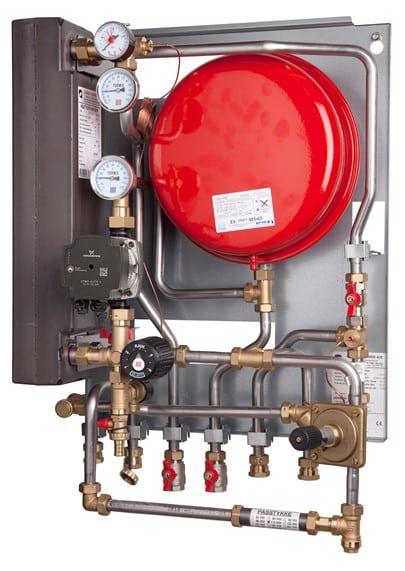
Gemina TermixCustomer case
Heat exchangers
SP Tinby developed a moulded insulation component in black foam to fit around Gemina Termix heat exchangers.
Read case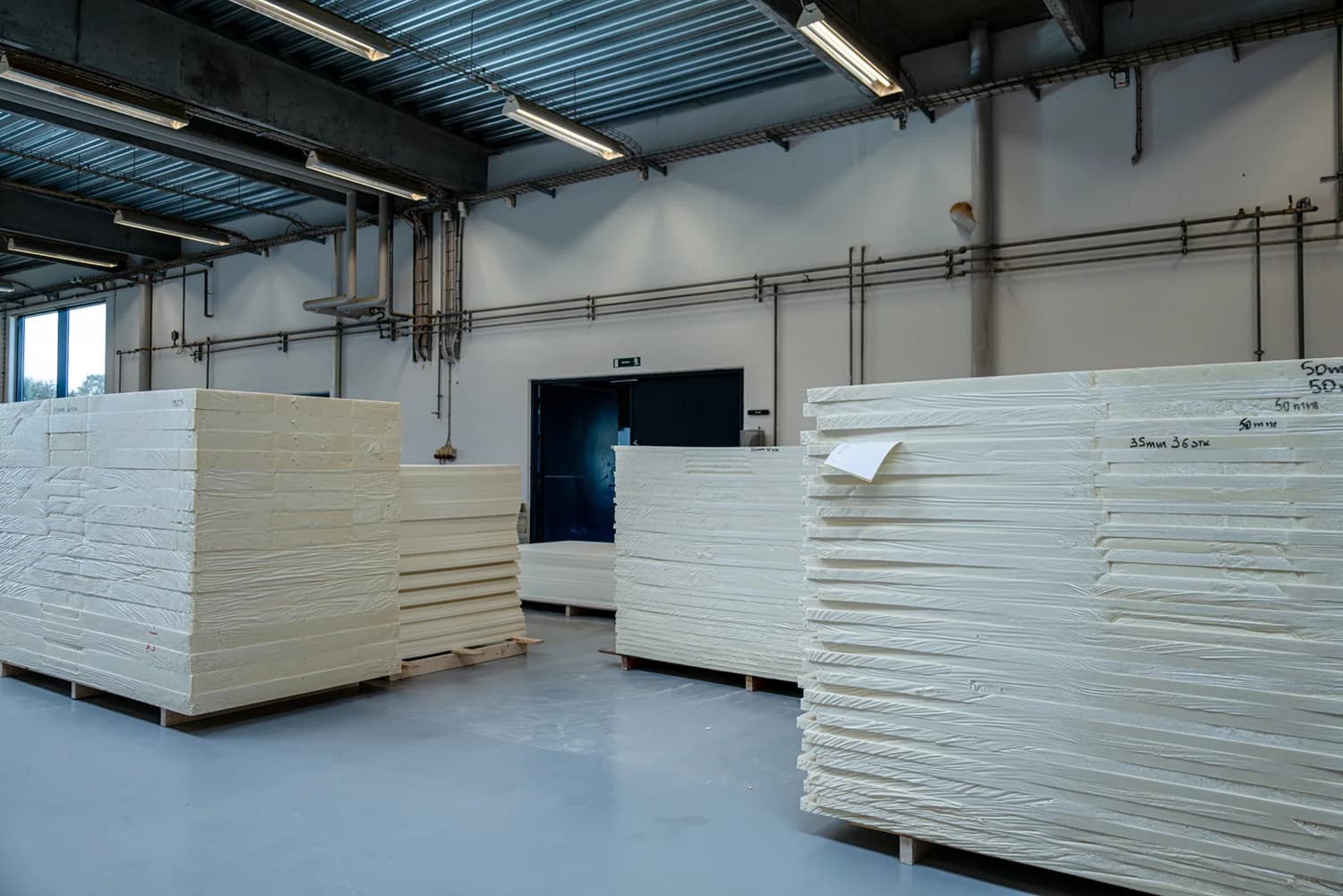
Polyurethane
Understand PUR and PIR insulation foams, their formats and material choices. Explore separate solutions for construction, refrigeration and valve insulation caps.
PUR and PIR are rigid cellular plastics used for thermal insulation. They can be moulded or machined to fit around equipment, or supplied as boards, blocks and assembled kits. The material and thickness are chosen for the temperature, installation and required insulation performance.
SP Tinby develops and manufactures PUR and PIR insulation solutions for construction, transport and technical installations.
We help customers find and develop solutions that combine insulation performance, low weight, strength and a fit for the specific product or system. With many years of experience in polyurethane foam, we work with both standard materials and custom solutions, from boards and panels to moulded and machined components.
We work closely with customers' development departments to find the right material solution and turn it into a product that can be manufactured efficiently and at the desired scale.
Our solutions are used in construction, refrigerated and frozen-goods transport, and HVAC installations. We also manufacture insulation caps for valves and fittings, where effective insulation and simple installation are central requirements.
Insulation around valves, heat exchangers and pipework can reduce heat escaping from the installation.
Custom shapes, joints and closures make it possible to insulate parts that a standard cap does not fit.
Caps and kits can be designed around installation, removal and access to the equipment.
See the material in components made for our customers.
SP Tinby developed a moulded insulation component in black foam to fit around Gemina Termix heat exchangers.
Read case
SP Tinby produces highly insulating PIR foam panels for Holm Huse's patented ISO-KON+ element system - prefabricated to custom dimensions for each low-energy home.
Read case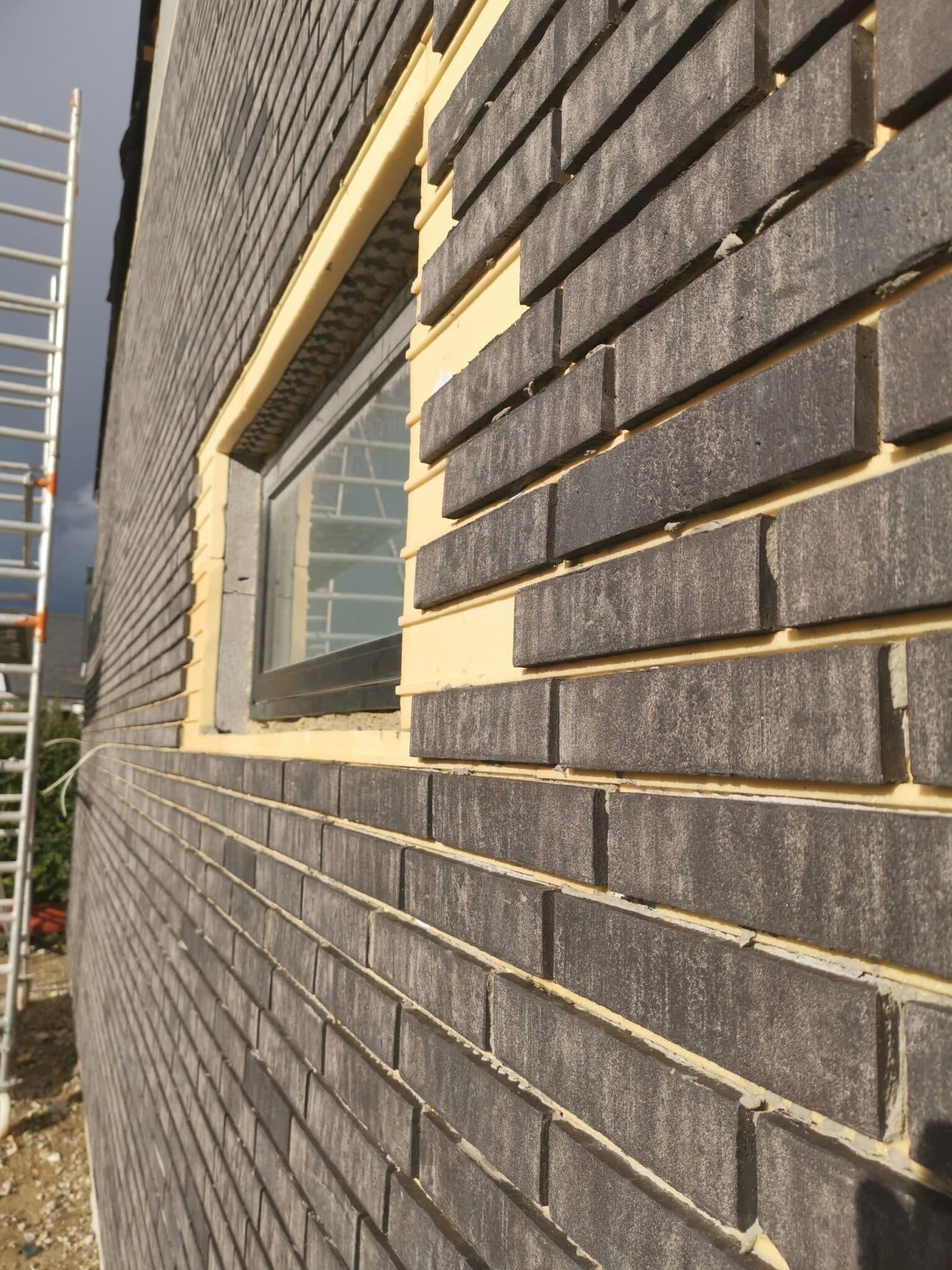
SP Tinby helped develop the PIR foam panels at the heart of briiso's façade system - a highly insulating retrofit that pairs rigid foam with a real-brick outer shell.
Read caseMaterial and manufacturing
Board, block, machined foam, sandwich or moulded format follows the geometry and supply need.
Thermal conductivity describes how readily heat passes through the material. We agree the required value and thickness for the operating temperature and relevant test conditions.
Temperature, moisture, fire and installation conditions are reviewed for the finished application.
We identify the technical data and declarations needed for your selected product and installation.
PUR and PIR are also supplied for facades, doors, floors and cold rooms. Insulation panels can be supplied in thicknesses from 10 to 200 mm and dimensions up to 1200 × 2600 mm, with machining to suit the component.
Foam boards and blocks can be sawn, milled and bonded for models or cores. In sandwich panels, the foam is combined with skins such as steel, aluminium or glass fibre.
Applications
Caps, heat exchanger parts and custom kits.
Boards, panels and custom insulation from SP Tinby Skumplast.
Qualification and supply planning.
Product types, dimensions and technical data in the English 2026 catalogue. Contact us to confirm the variant and current price.
Tell us what the part needs to do, how many you need and when. We can start with a sketch or drawing, or help clarify the next step if you do not have one yet.