
Normann CopenhagenCustomer case
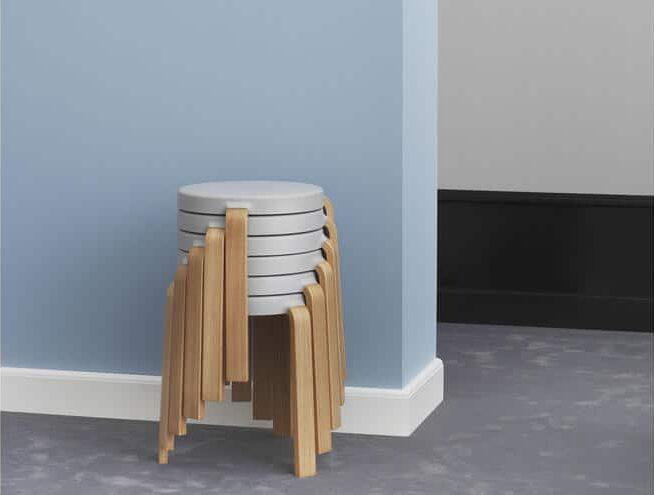
Tap Stool
SP Tinby moulds the seat for Normann Copenhagen's Tap Stool in flexible integral foam - solid, comfortable to sit on and built to withstand daily handling.
Read case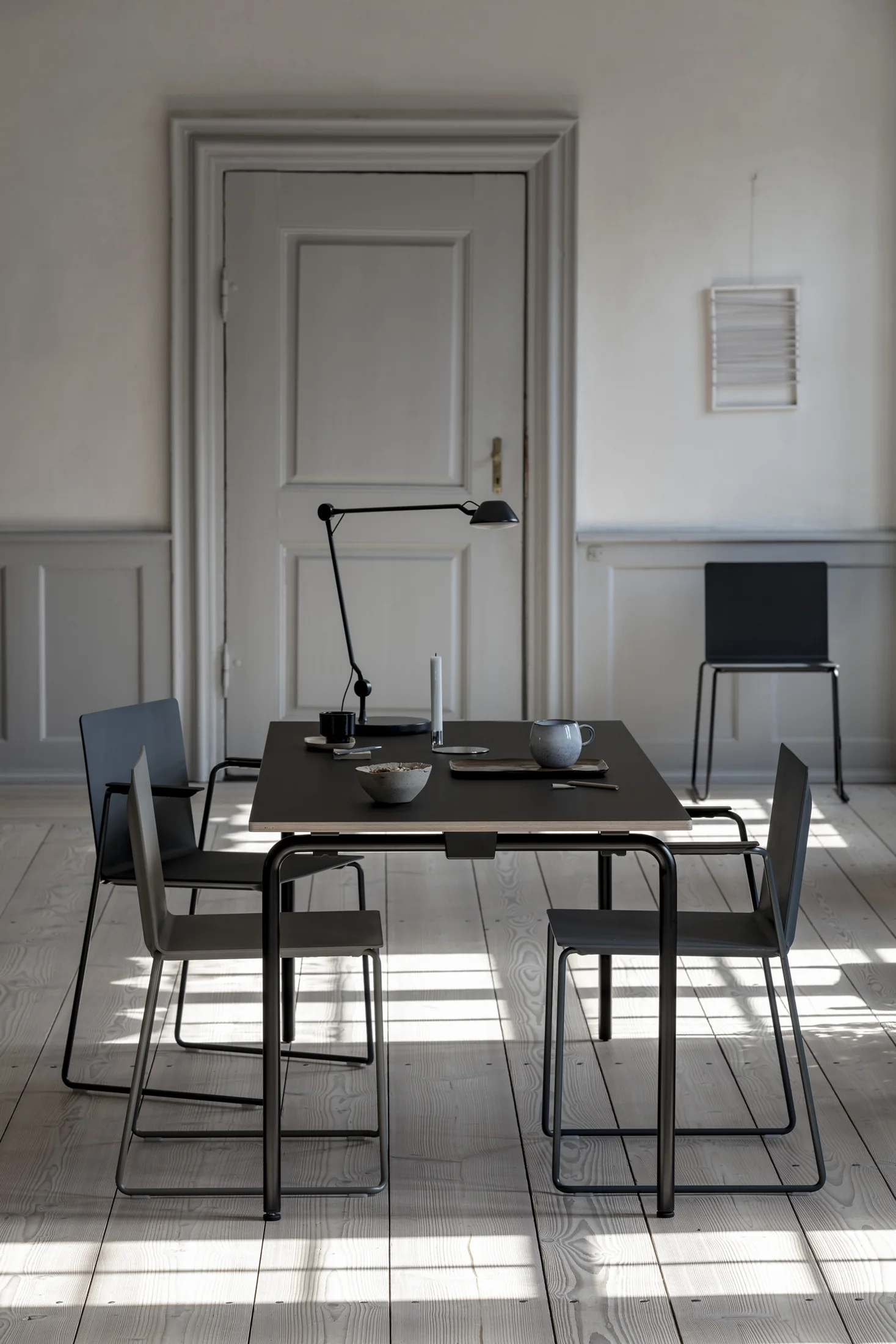
Furniture components
Seats, backs, shells and armrests developed as customer-specific components with integrated cores and repeatable surfaces.
SP Tinby develops and manufactures flexible PUR solutions for products that need to combine comfort, function, design and durability.
Flexible PUR can be shaped precisely around the product's function and requirements, enabling high comfort, wear resistance and a carefully developed finish. Applications include furniture, rehabilitation products, play and activity products, and other products where comfort and physical contact with the user are central.
With our technical experience, we help customers find the right combination of material, hardness, shape and surface, and turn it into a solution that works in use and can be manufactured at the desired scale.
Curved surfaces and moulded details make the component part of the furniture's visual identity.
A supportive wood or metal core can be enclosed in the moulded shell or surface.
Hardness, surface and coating are selected for how the furniture is used, handled and cleaned.
Examples of components developed and manufactured with our customers.
SP Tinby moulds the seat for Normann Copenhagen's Tap Stool in flexible integral foam - solid, comfortable to sit on and built to withstand daily handling.
Read case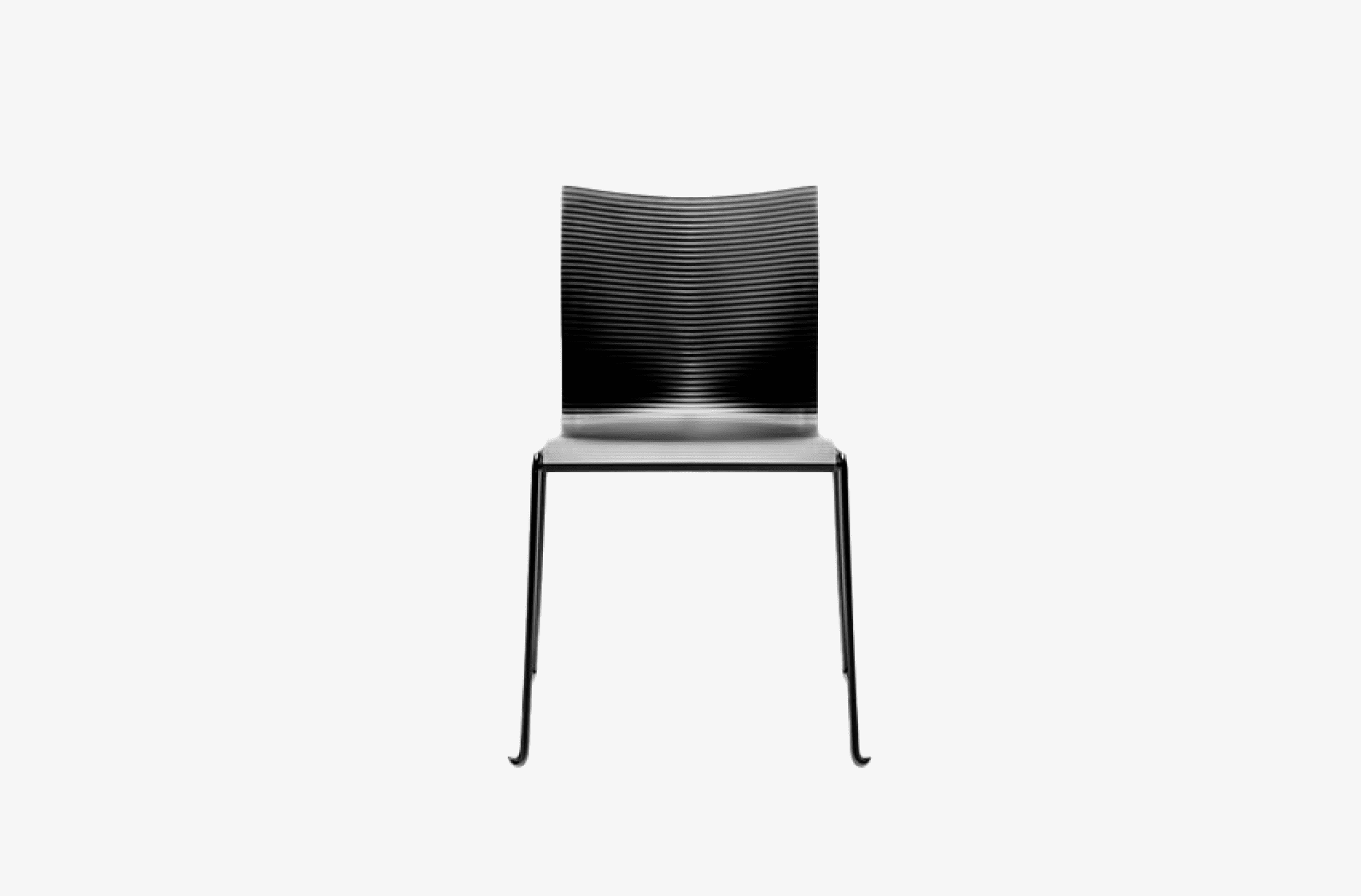
SP Tinby produces the polyurethane shell for Engelbrechts' Chairik conference chair - a fully cast, slim shell in flexible integral foam around a steel reinforcement.
Read case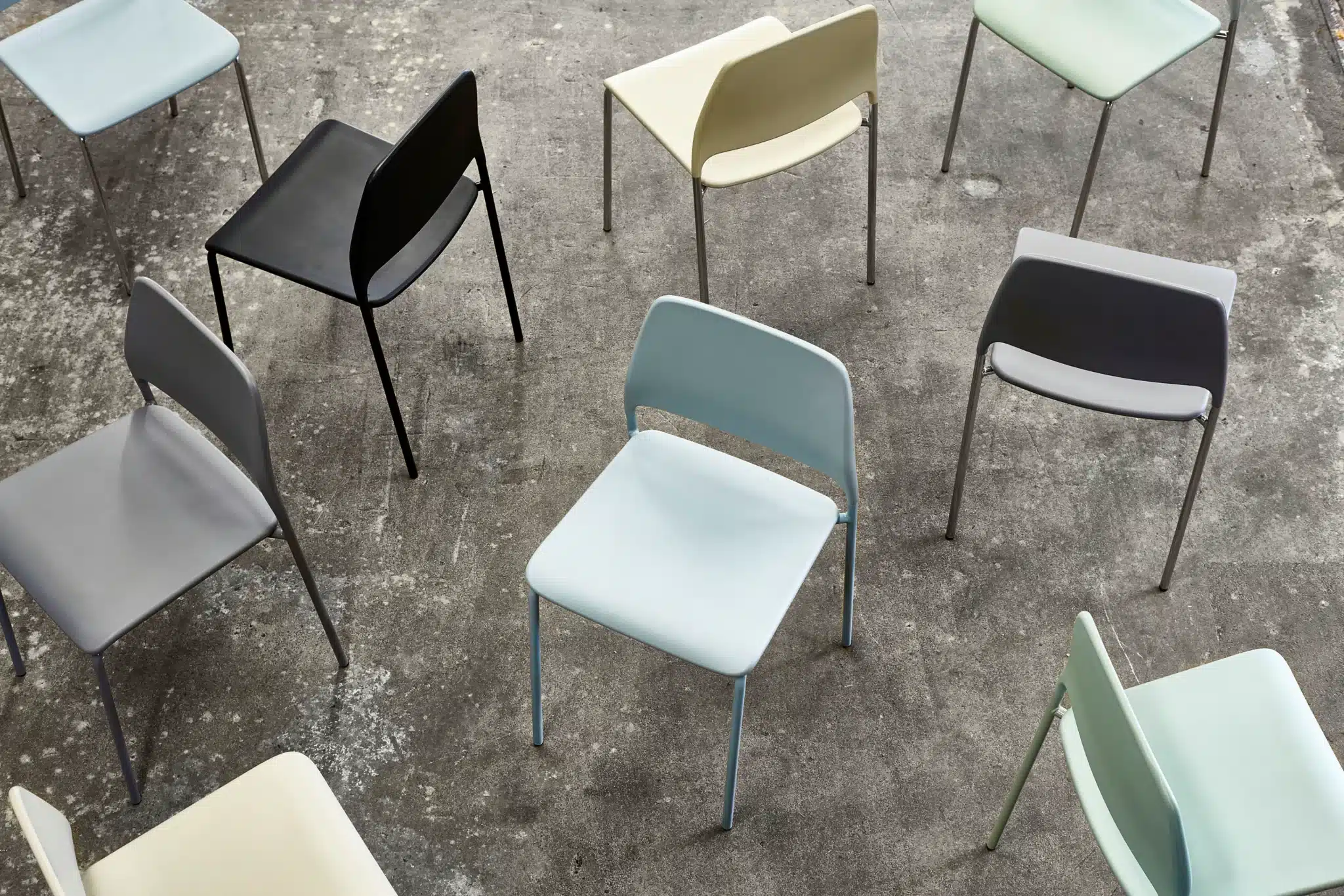
SP Tinby moulded the seat and back of Savir Design's BEAT Chair in flexible integral foam to follow its organic shape.
Read caseYour component
We look at what the component must do, where it will be used and how it can be manufactured. These are the key questions.
Geometry, support, hardness and local wall strategy are developed around the intended use.
Colour, texture, gloss and coating are reviewed together with wear and cleaning expectations.
Wood or metal cores can provide stiffness, attachment and a clean joint-free exterior.
The part design, tooling concept and finishing content determine the practical production route.
Working together
The team reviews form, user contact, attachment, finish and series assumptions.
Core geometry, hardness and surface strategy are developed as one component concept.
A sample helps establish comfort, appearance and assembly before testing and approval.
Moulding and finishing controls are defined for the approved appearance.
First conversation
Sensitive CAD should not be sent by ordinary email. Tell us whether a drawing exists and we will provide the approved transfer route.
Materials and processes
Tell us what the part needs to do, how many you need and when. We can start with a sketch or drawing, or help clarify the next step if you do not have one yet.