SP Tinby
Finished polyurethane housing for specialised technical equipment

Industrial cabinets

Cabinets and covers with function built in

Customer-specific housings with moulded detail, inserts, coating and assembly for specialised industrial equipment.

How we help

SP Tinby develops and manufactures complex PUR housings for applications including medical equipment, machinery, electronics and audio.

We help customers turn functional and technical requirements into solutions that bring shape, function, finish and manufacturing together. Solid PUR enables us to manufacture complex parts with features such as cast-in components, including in smaller series and with the possibility of ongoing design changes.

From design and tooling to moulding and finishing, we can take responsibility for all or part of the process and use our experience to make complex housing solutions ready for manufacturing.

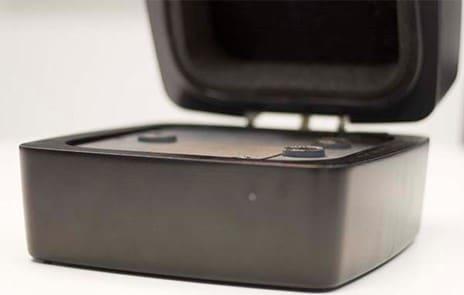
Typical components

  • Machine housings
  • Protective covers
  • Electronics enclosures
  • Instrument panels and structural shells

Benefits for your product

  • Combine functions in one housing

    Openings, ribs, logos and fixing points can be moulded into the component.

  • Reduce later assembly

    Inserts can be cast in, and machining, coating and assembly can be included before delivery.

  • Match the product and quantity

    Solid and rigid foamed PUR offer different ways to balance weight, stiffness, appearance and tooling cost.

Examples from our customers

Examples of components developed and manufactured with our customers.

Benoto: A test chamber for hearing aids
BenotoCustomer case

Measuring chamber for hearing aids - in Polyurethane

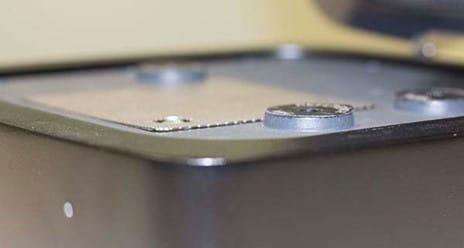
SP Tinby produces polyurethane cabinets for Benoto's high-tech audiological equipment - including the TBS10 test chamber, cast in rigid integral foam to shield sensitive electronics.

Read case
Struers: Protective enclosures in solid PUR
StruersCustomer case

Struers cabinets in PUR

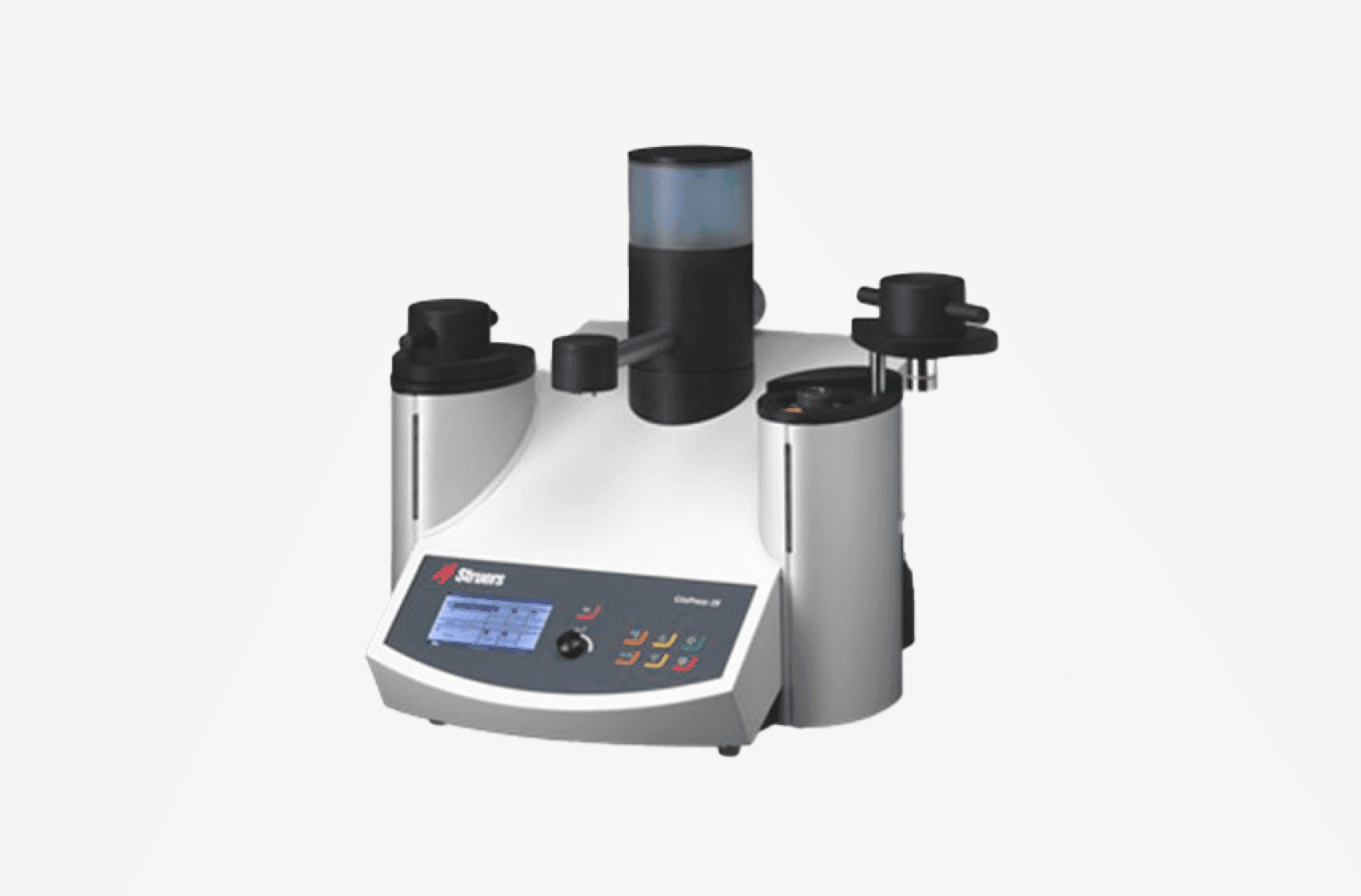
SP Tinby supplies enclosures in solid polyurethane for Struers' equipment for materialographic surface preparation - combining hardness with high impact resistance.

Read case
Dynaudio: Award-winning speaker baffles in solid PUR
DynaudioCustomer case

Baffles for speakers

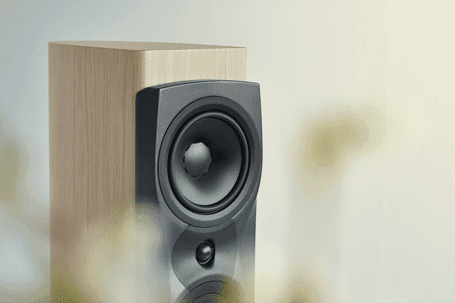
The baffles on Dynaudio's award-winning Confidence loudspeaker series are moulded at SP Tinby in solid polyurethane - a material chosen for tight tolerances, acoustic precision and a premium finish.

Read case
Mobile Industrial Robots (MiR): Impact bumpers for MiR mobile robots
Mobile Industrial Robots (MiR)Customer case

Bumpers in PUR for Mobile Industrial Robots (MiR)

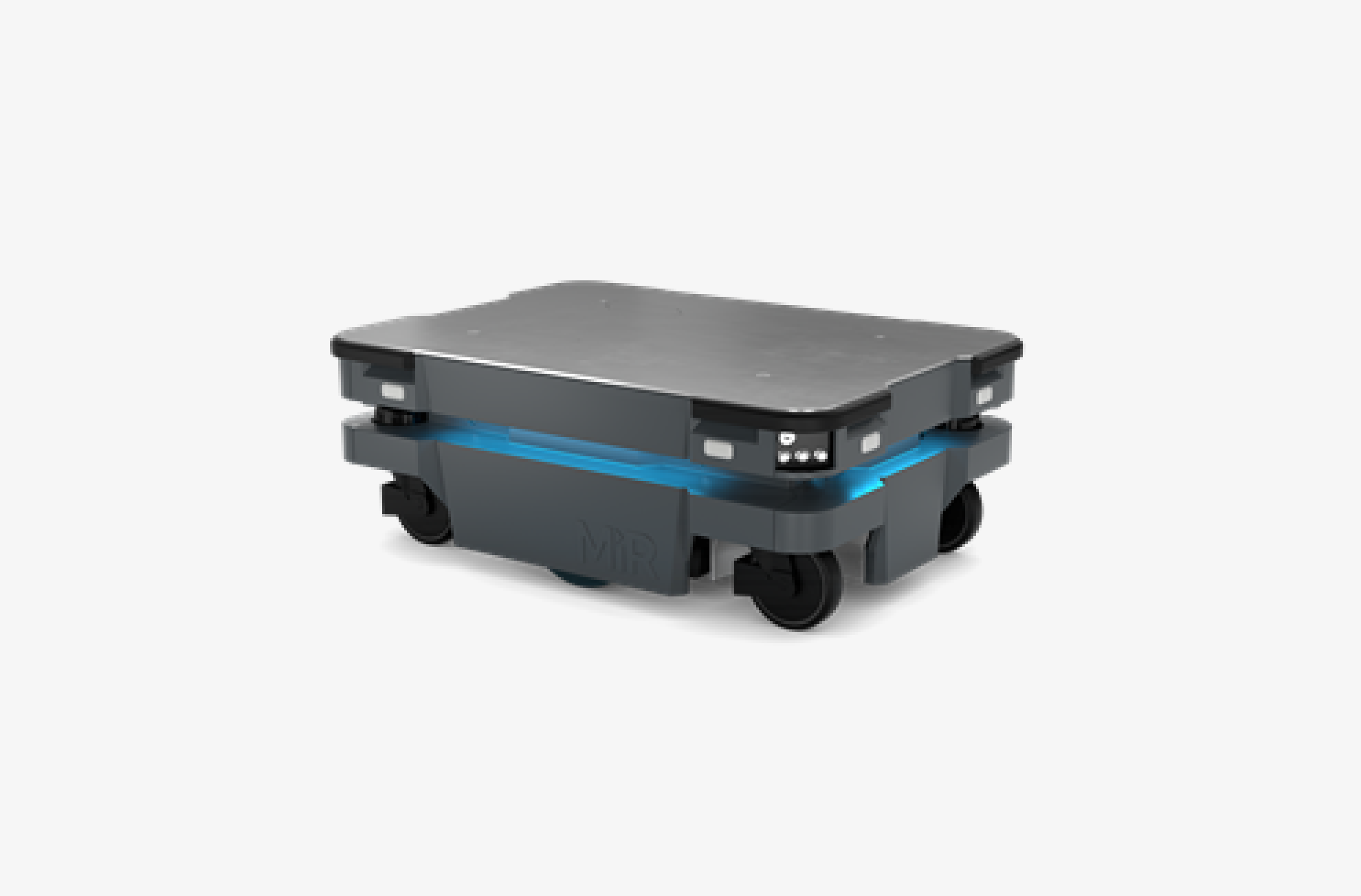
For the MiR250 mobile robot, SP Tinby combined a steel insert and a flexible polyurethane outer surface in one bumper.

Read case

Your component

What we review with you

We look at what the component must do, where it will be used and how it can be manufactured. These are the key questions.

Geometry

The component can combine ribs, bosses, openings, logos and attachment points in the moulded form.

Structural behaviour

Loads, impact, stiffness and wall strategy guide the choice between solid and rigid foamed PUR.

Surface

Texture, colour, coating, gloss and wear expectations are agreed before tooling.

Integration

Metal inserts, cores, machining, bonding and final assembly can be included in the manufacturing path.

Working together

From idea to finished component

  1. 01

    Part review

    The team reviews the CAD geometry, interfaces, loads and target series.

  2. 02

    Material concept

    Solid or foamed PUR is matched to weight, stiffness, impact and surface requirements.

  3. 03

    Tool and sample

    Tooling, inserts and finishing steps are proven in a sample route.

  4. 04

    Finished delivery

    Parts can be machined, coated, bonded and assembled before shipment.

First conversation

Useful information for our first conversation

Sensitive CAD should not be sent by ordinary email. Tell us whether a drawing exists and we will provide the approved transfer route.

  • CAD model or drawing
  • Loads, environment and finish requirement
  • Insert and assembly needs
  • Expected annual volume and target date
Discuss your project

Tell us about your idea or component

Tell us what the part needs to do, how many you need and when. We can start with a sketch or drawing, or help clarify the next step if you do not have one yet.

Discuss your component