

Holm Huse (Dansk Ejendom)Customer case
Holm Huse
SP Tinby produces highly insulating PIR foam panels for Holm Huse's patented ISO-KON+ element system - prefabricated to custom dimensions for each low-energy home.
Read case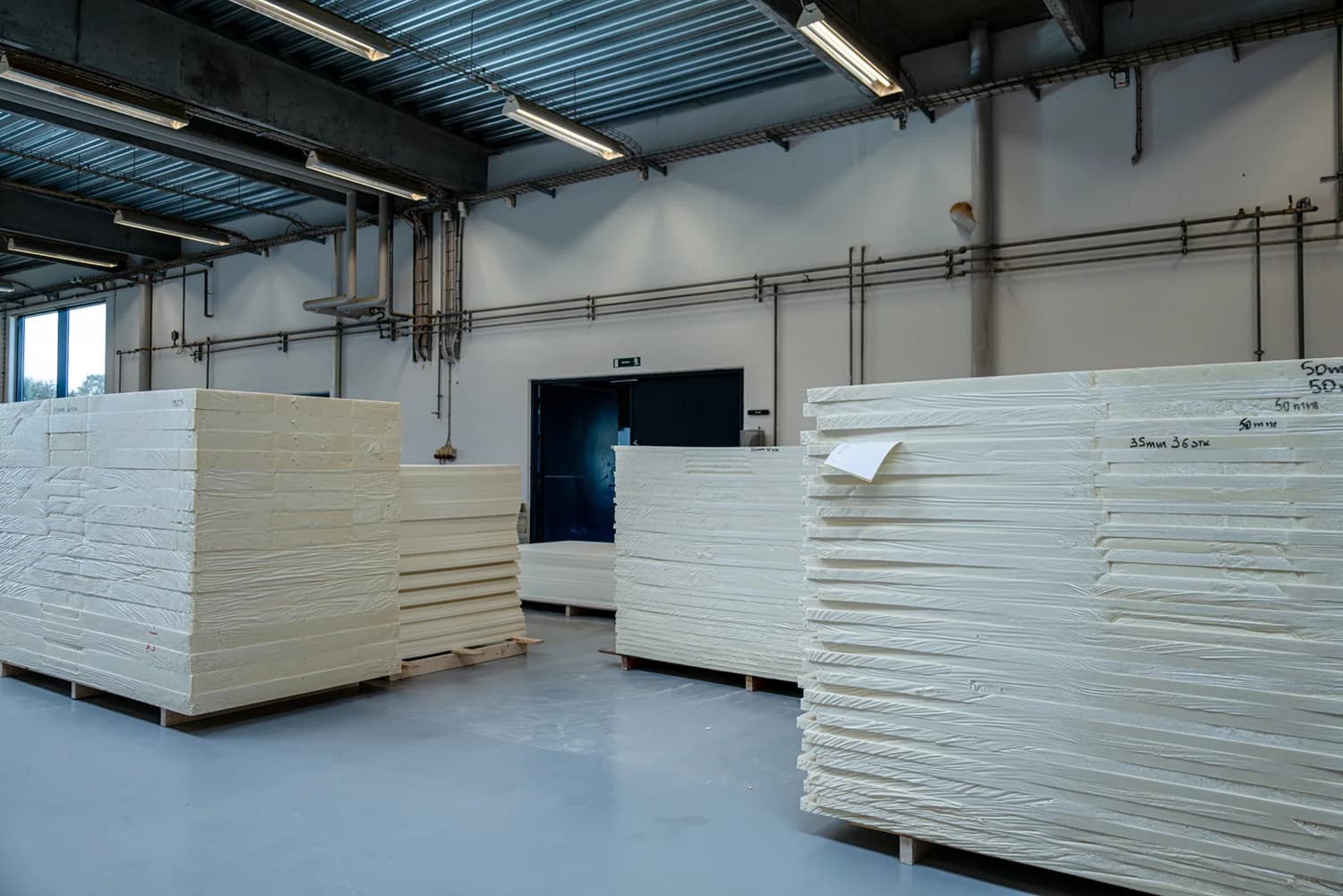
Insulation
SP Tinby Skumplast manufactures insulation boards, panels and custom foam parts for buildings and refrigerated vehicles.
SP Tinby Skumplast supplies PUR and PIR foam adapted to the dimensions, strength and insulation requirements of your product.
Boards and panels for walls, roofs, floors and facades.
Insulation panels for refrigerated and frozen-goods vehicles.
Foam blocks and machined parts for prototypes and production.
Examples of components developed and manufactured with our customers.
SP Tinby produces highly insulating PIR foam panels for Holm Huse's patented ISO-KON+ element system - prefabricated to custom dimensions for each low-energy home.
Read case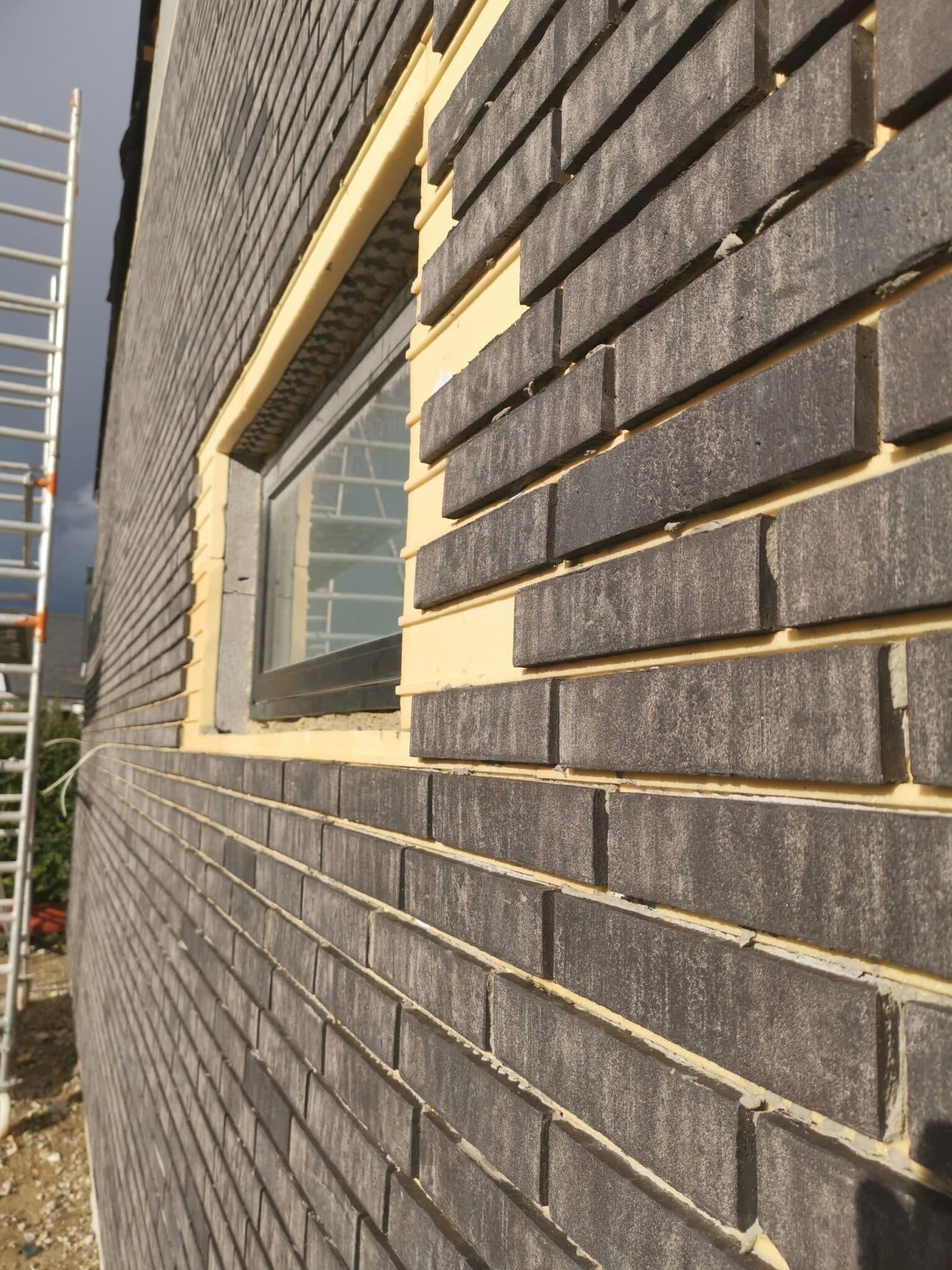
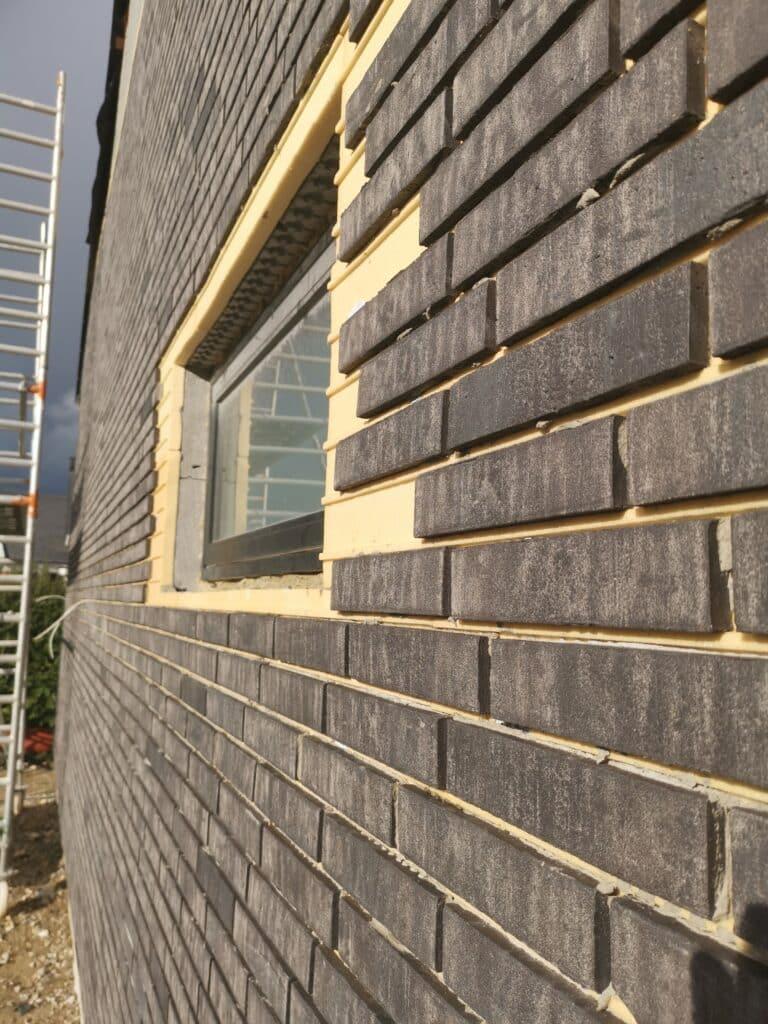
SP Tinby helped develop the PIR foam panels at the heart of briiso's façade system - a highly insulating retrofit that pairs rigid foam with a real-brick outer shell.
Read case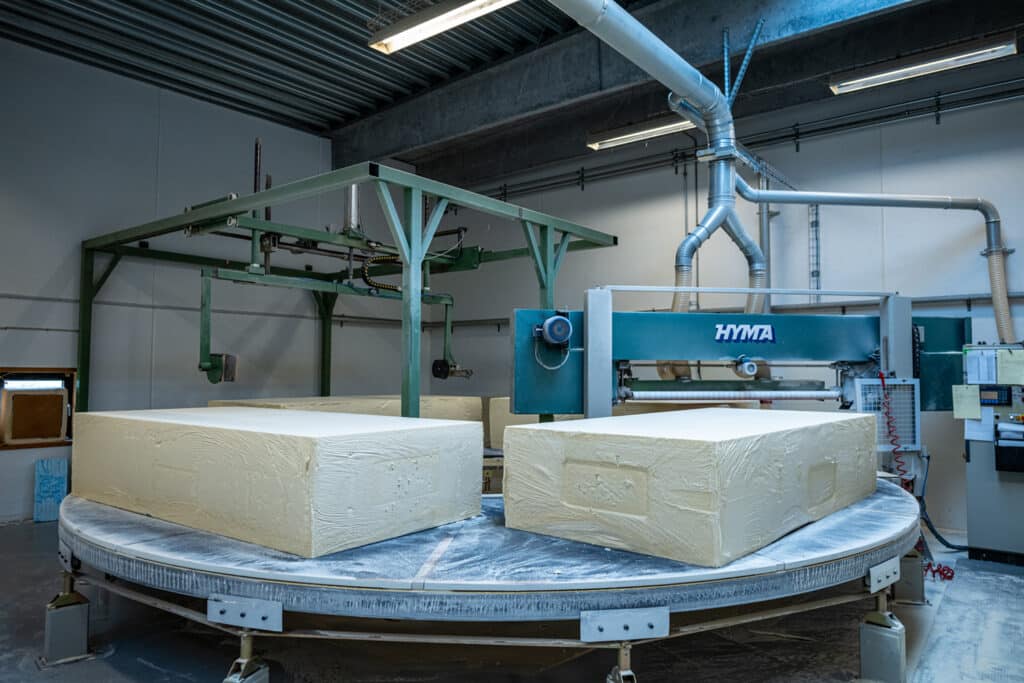
Polyurethane, often abbreviated PUR, is a type of plastic that has very good properties concerning insulation. PUR insulation is therefore used in many types of products, for example in the construction industry.
Casting high-insulating items in PUR is one of SP Tinby A/S' core competencies, and since project management and development of customized customer solutions are also one of our strengths, many insulation products in PUR start in collaboration between SP Tinby's and the customer's development departments.
The low lambda value of polyurethane of less than 0.028 W / mK means that there are large amounts of energy to be saved when using polyurethane in products where good insulation properties are an important parameter. Insulation with PUR improves the building's energy efficiency and reduces heat and cold waste, which in the long-run has a positive impact on climate change due to the low emission of carbon dioxide.
At SP Tinby Skumplast, part of SP Tinby A/S, we manufacture foam boards in PUR (polyurethane) and PIR (polyisocyanurate). PIR / PUR foam is a cellular plastic commonly referred to as a rigid or hard foam plastic.
PIR/PUR foam boards stand out for their resistance to water, mold, chemicals, and high temperatures – and they also have relatively low flammability. PIR/PUR foam is manufactured in boards, blocks, and sandwich panels.
PIR/PUR foam boards are a lightweight material that is easy to work with. They can be easily cut with a saw or knife. Furthermore, the material is adhesive-friendly, screw-retentive, and can be bonded with various types of glue.
Please note: We do not sell products directly to private individuals. Our solutions are offered exclusively to businesses and professional partners.
For the retrofitting of buildings made of aerated concrete or other solid masonry, PUR and PIR foam boards provide a strong foundation for the final wall cladding.
We supply boards for both exterior doors and facade sections.
We produce polyurethane boards for the retrofitting of roofs on halls and industrial buildings. The boards can be placed directly on existing felt roofs, and new roofing felt can also be applied on top of the polyurethane boards.
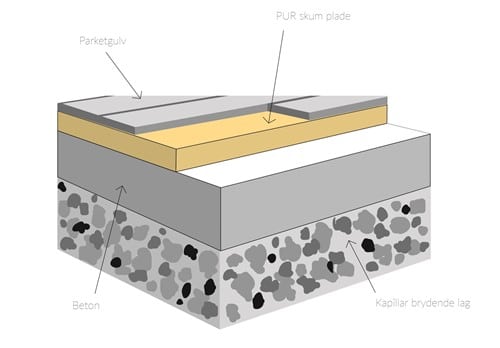
PUR foam boards provide complete floor coverage, preventing thermal bridges from forming.
Installation can be done directly on concrete without the use of battens.
The finished floor, such as chipboard or parquet, can be laid directly on the boards.
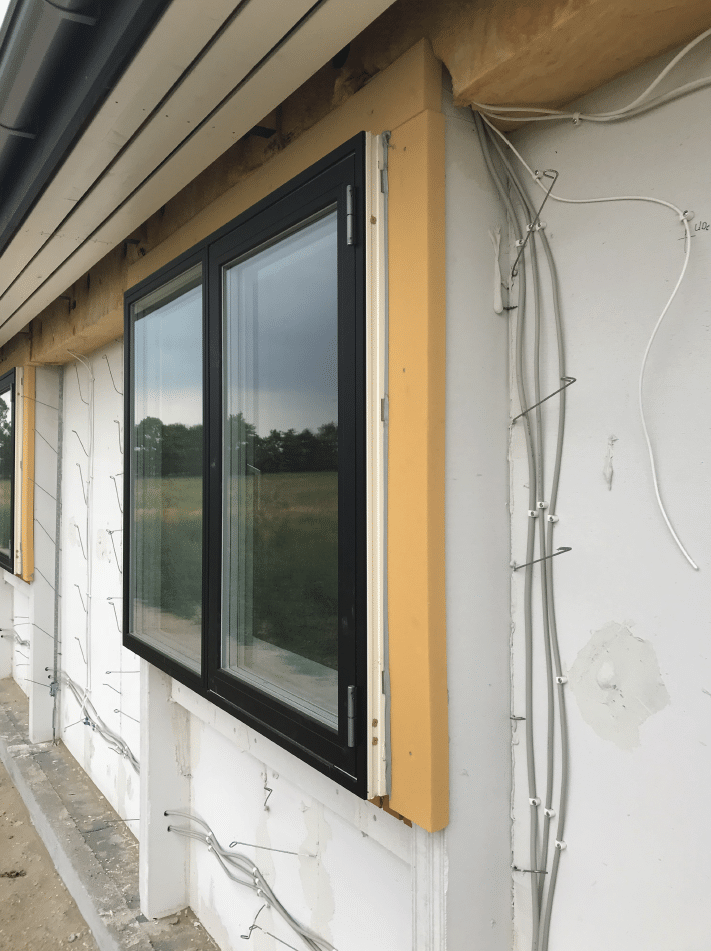
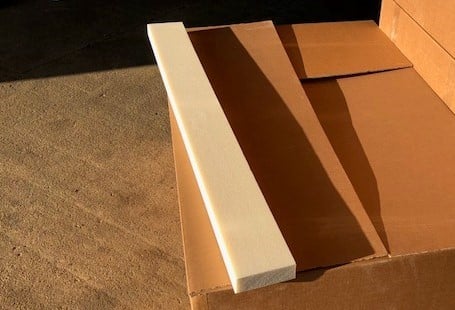
Edge foam is the everyday term for a piece of insulation foam, typically measuring 40 x 120 x 1200 mm, which is used in board form as an insulator around windows and doors instead of mineral wool.
The material, technically called PIR foam, insulates 35% better than mineral wool and is therefore increasingly used in the construction industry.
Construction companies, contractors, and carpenters can better meet the 2020 energy requirements for new houses by using this material, as edge foam provides significantly better insulation than traditional insulation materials – and in less space.
At the same time, the material is easy to work with because it:
SP Tinby Skumplast offers custom manufacturing of polyurethane foam components on request.
We produce pre-manufactured core material for applications such as fiberglass work, model making, interior design, and decorative purposes.
Boards or blocks made of polyurethane foam are easy to cut with a saw or knife. Polyurethane materials are adhesive-friendly and can be bonded with various types of glue.
Custom-made models are easy to work with and can be painted and lacquered.
Polyurethane is water- and weather-resistant and suitable for outdoor use.
Contact us about your project, and we will provide a specific proposal for your custom production solution.
SP Tinby Skumplast supplies CE-certified PIR foam for the production of facade panels and other building components that require excellent insulation, low weight, and long durability. Our solutions are used in both new construction and renovation projects – including by companies such as Holm Huse and Briiso.
PIR foam is particularly well-suited for modern construction, where slim and energy-efficient structures are desired. It is often used as insulation in facade sections with large glass surfaces, where heat loss needs to be minimized. PIR foam is also used in, for example, door fillings and facade cladding in general.
The material’s high insulating capacity and low lambda value contribute to reduced energy consumption in the building. At the same time, it is easy to process and adapt. Our panels can be cut to size and customized for individual solutions, making them flexible to integrate into both existing and new structures.
We are seeing increasing demand for materials that support sustainable construction. That is why we also offer PIR foam in class E, as well as phenolic foam, which is approved for all types of construction and features excellent fire safety properties: it does not burn, does not emit smoke, and does not drip at high temperatures.
At SP Tinby Skumplast, we combine technical performance with production flexibility – developing solutions that support the construction of the future.

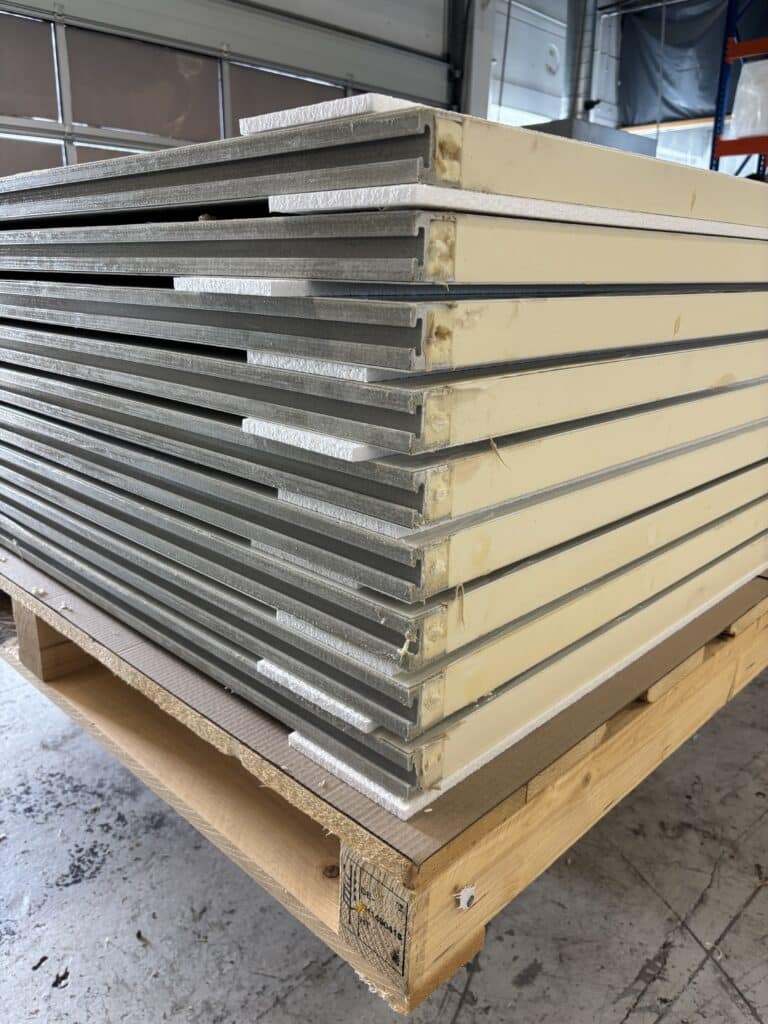
SP Tinby Skumplast manufactures high-quality insulation panels in PUR and PIR foam, used in applications such as cold and freezer rooms, transport containers, cold room doors, partition walls, and other components where effective thermal insulation is crucial. The panels are available in thicknesses from 10 to 200 mm and with dimensions up to 1200 x 2600 mm – but are always customized according to customer requirements and specifications.
PUR/PIR foam is characterized by its very low lambda value (0.022 W/mK), which means it insulates up to 35% better than many other insulation materials. The material is lightweight, durable, resistant to moisture and solvents – and it can provide insulation against both cold and heat.
The panels are processed to order and can be shaped, milled, and drilled precisely according to, for example, CAD drawings. Advanced profiles are cut on 5-axis CNC machines, providing great design flexibility and enabling individually tailored solutions.
A particular strength of PUR/PIR panels lies in their use in sandwich constructions. Here, the foam is enclosed by materials such as steel, aluminum, glass, or fiberglass, creating a very strong overall solution – even though each component on its own is relatively thin. At Tinby Skumplast, these constructions are carefully laminated by experienced and specialized staff, ensuring consistent and robust quality.
The market is increasingly moving towards lower energy consumption, optimized weight, and more sustainable solutions. Here, PUR/PIR stands out – and we are experiencing growing demand due to the material’s quality, durability, and ability to be precisely customized.
Insulation with PIR / PUR foam sheets is relatively new in the Danish construction industry. The material is used for the manufacture of insulation panels for facades, roof structures, floor structures, in doors and windows. PIR / PUR foam plates are used as insulation, where optimal insulation as well as high compressive strength and stability are essential. It has a closed-cell structure and high crosslinking density, which means that it has excellent insulation properties, good heat resistance and high compressive strength.
OBS: SP Tinby Skumplast also supplies insulating sandwich panels and structural parts for refrigerated trailers, trucks, residential vehicles, commercial vehicles and trailers for the automotive industry. The company has over 40 years of experience with PIR / PUR foam sheets and sandwich panels for this industry.
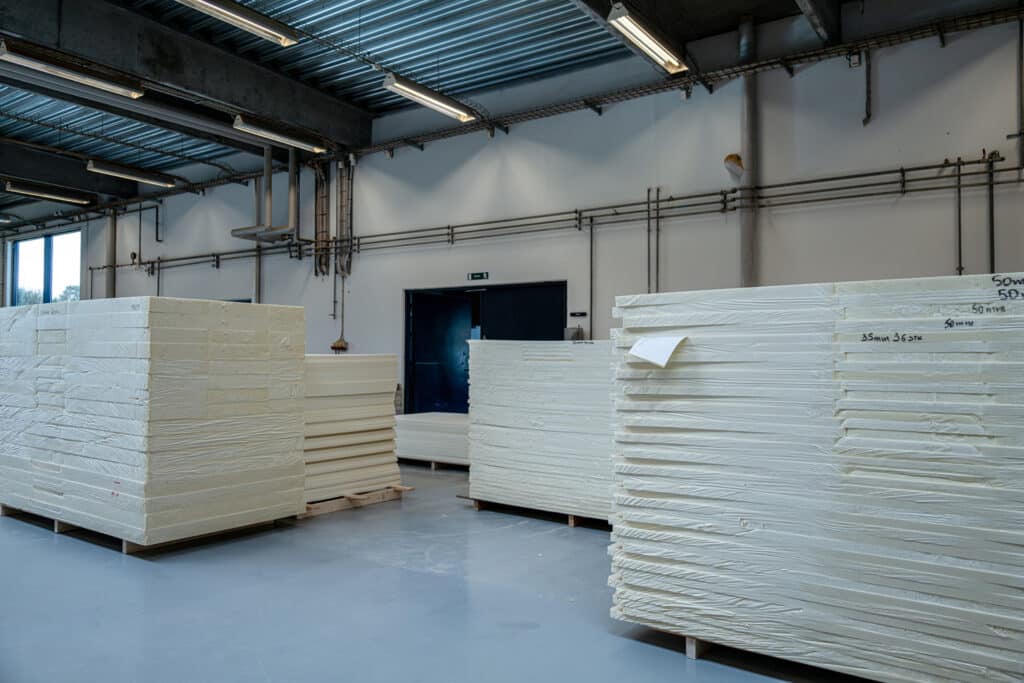
Due to the very low thermal conductivity of the material, even a thin layer of PIR / PUR foam sheet achieves the same energy efficiency level that most other insulating materials achieve at thicker layers. Therefore, less material is used to insulate buildings. Although all types of insulation can help improve a building's energy efficiency and reduce its carbon dioxide emissions, PIR / PUR foam sheets are one of the most effective materials available. It can be used both for new construction and for renovation.
Polyurethanes are often used due to its convenient low lambda values and good thermal insulation properties.
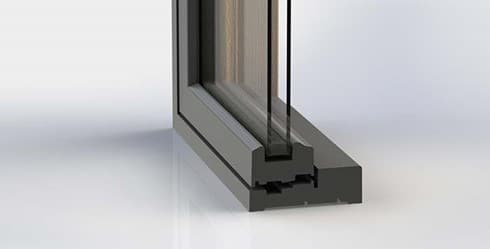
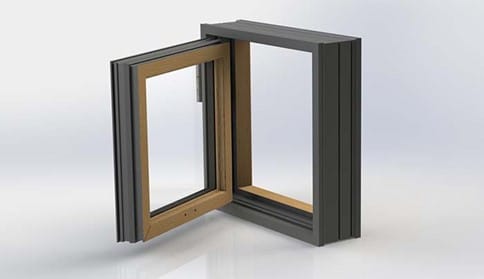
Polyurethanes may be processed like wood and is very useful in window profiles.
SP Tinby Skumplast is part of SP Tinby A/S and therefore also part of SP Group A/S.
At SP Tinby Skumplast on Sunekær in Søndersø, we produce foam boards in PUR and PIR. Previously, we manufactured foam plastic from our factory halls in Tjæreborg since 1978 under the name LM Skumplast.
Through product development in close collaboration with customers and suppliers, along with decades of experience, we have built significant expertise in polyurethane foam.
Insulation cases

Contact Hans Anton Bjerre Sørensen, Sales, for more information about polyurethane and the solutions we offer:

Documents
| Documents | Scope and site | Issue and review | File |
|---|---|---|---|
| EPD for PIR foam insulationDeclaration · MD-26120-DA · DANISH | PIR foam insulation with a thickness corresponding to R = 1 m²K/W; EN 15804+A2 and ISO 14025SP Tinby Skumplast, Søndersø, Denmark | 8 October 2026Valid until 8 October 2031 | Download PDF |
First conversation
Sensitive CAD should not be sent by ordinary email. Tell us whether a drawing exists and we will provide the approved transfer route.
Materials and processes
Tell us what the part needs to do, how many you need and when. We can start with a sketch or drawing, or help clarify the next step if you do not have one yet.